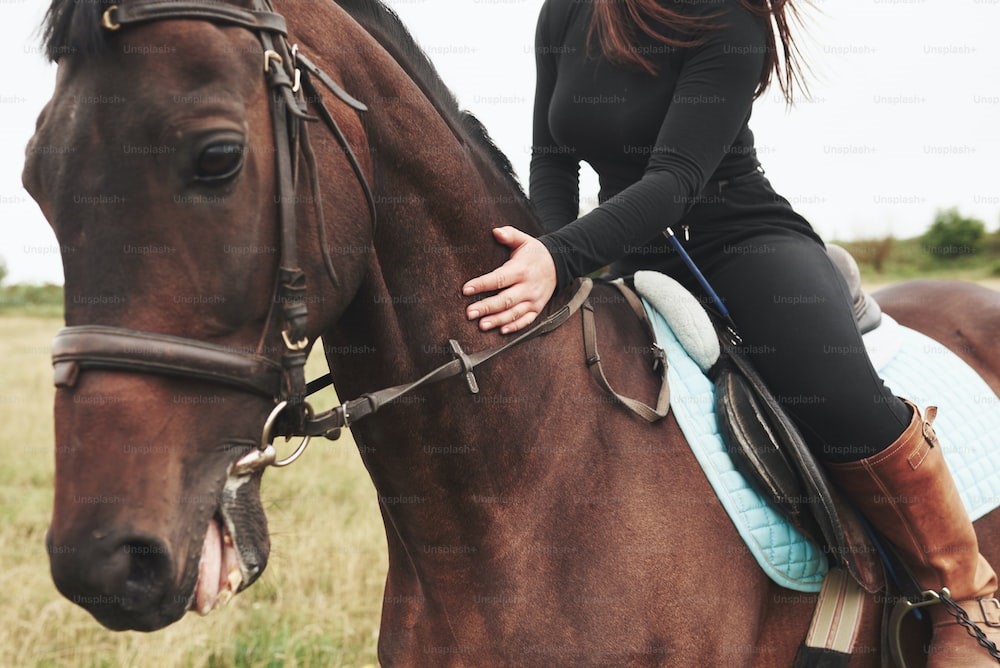
Because of my Texas beginnings, I suppose, I have this fascination with westerners who have a rural or ranching background, move out and up in the city environment, but retain their love for and lessons learned in their beginnings—and I often write about western women.
When Betty Sue Morris was a young girl, she was immersed in her father’s hobby of owning and racing quarter horses, and quite the barrel-racer herself—and that taught her an important life lesson: when you fall off the horse you get right back on! There’s just no quit in any form of western life.
Originally from Kansas, Betty Sue migrated to the Pacific-NW when her father bought a Hood River Ranch, and she eventually ended up in Vancouver, WA, as a county and state leader of note, where that doggedness served her well. In an era long before women infiltrated the halls of power, she served for 7 years as the State Representative for Washington’s 18th Legislative District and another 12 as Clark County Commissioner.
I well-remember meeting Betty Sue in our Downtown Vancouver Rotary during my Pac-NW days, and I was surprised to see this political powerhouse was no bigger than a minute. “Feisty,” I think is the Texas word for her personality, as well as professional, self-assured, and effective—all the characteristics needed to make a difference in government. Who knew that it all started with horses.
It’s a long and winding story as to how her dad originally bought 40 quarter horses, and a young Betty Sue was tasked with helping to train and work out that large remuda. Barrel racing turned out to be her passion, and she still remembers the names of her horses, the trophies, the sheer joy.
From there, Betty Sue went on to college and both a BA and a Master’s in Education, teaching an honors class that illustrated the connection between history and literature—then a brief career in journalism where she met local and county leadership, and 5-1/2 years as a District Aide to a U.S. Congressman.
On the road to her eventual career in major state and county leadership roles, Betty Sue faced obstacles, but that western doggedness carried her around, over, and through the challenges. That dynamic led me to this inevitable question: what replaces doggedness as ranching diminishes in the U.S.?
For decades, farm and ranch land has been lost by the tens of millions to development, and while modern methods are designed to make the smaller tracts more productive, what is not replaced is the exodus of the young. How are these future leaders of America going to learn about falling off horses? Where do we find the “Betty Sue’s” of tomorrow?
Jonnie Martin
TALK TO ME — Do you know a feisty western girl? Why do you think we like to hear their stories? Next Saturday’s squib will be a look at the Pre-Raphaelites and Christina Rosetta’s erotic Goblin Market.
 My Writerly Life
Leave a comment